Product development & tooling
You have a drawing or sample. You need a manufacturable part.
Review the design and material before tooling. Resolve manufacturing risks through sampling before committing to production.
 3MPLAS
Product review, mold development, equipment matching and production handoff. A clear scope and a named owner at each stage for brands, sourcing teams and factory owners.
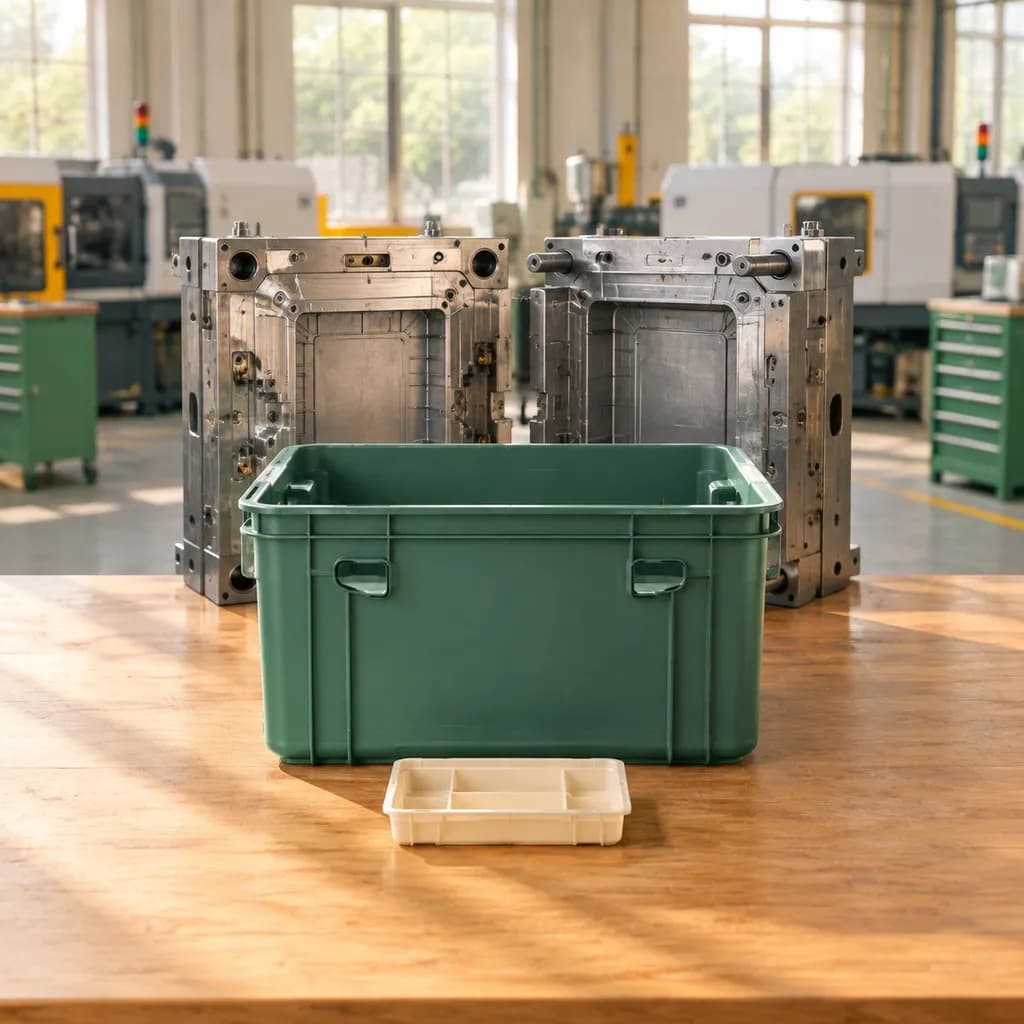
You do not need every technical answer yet. Start with your problem and see the work, inputs and deliverables.
You have a drawing or sample. You need a manufacturable part.
Review the design and material before tooling. Resolve manufacturing risks through sampling before committing to production.
You need more capacity. You need the right production cell.
Start with the part and output target, then align the injection machine, robot and auxiliaries with your actual site.
You have an order to place. You need control over quality and delivery.
Bring supplier comparison, sample approval, inspection and shipping records into one visible project plan.
You need more than a mold. You need the whole project delivered.
Turn product, tooling, production and packaging into approved stages. A named coordinator keeps revisions, risks and timing aligned.
Three projects show the problem, our involvement and the handoff records — traceable from the starting question to the closed case.
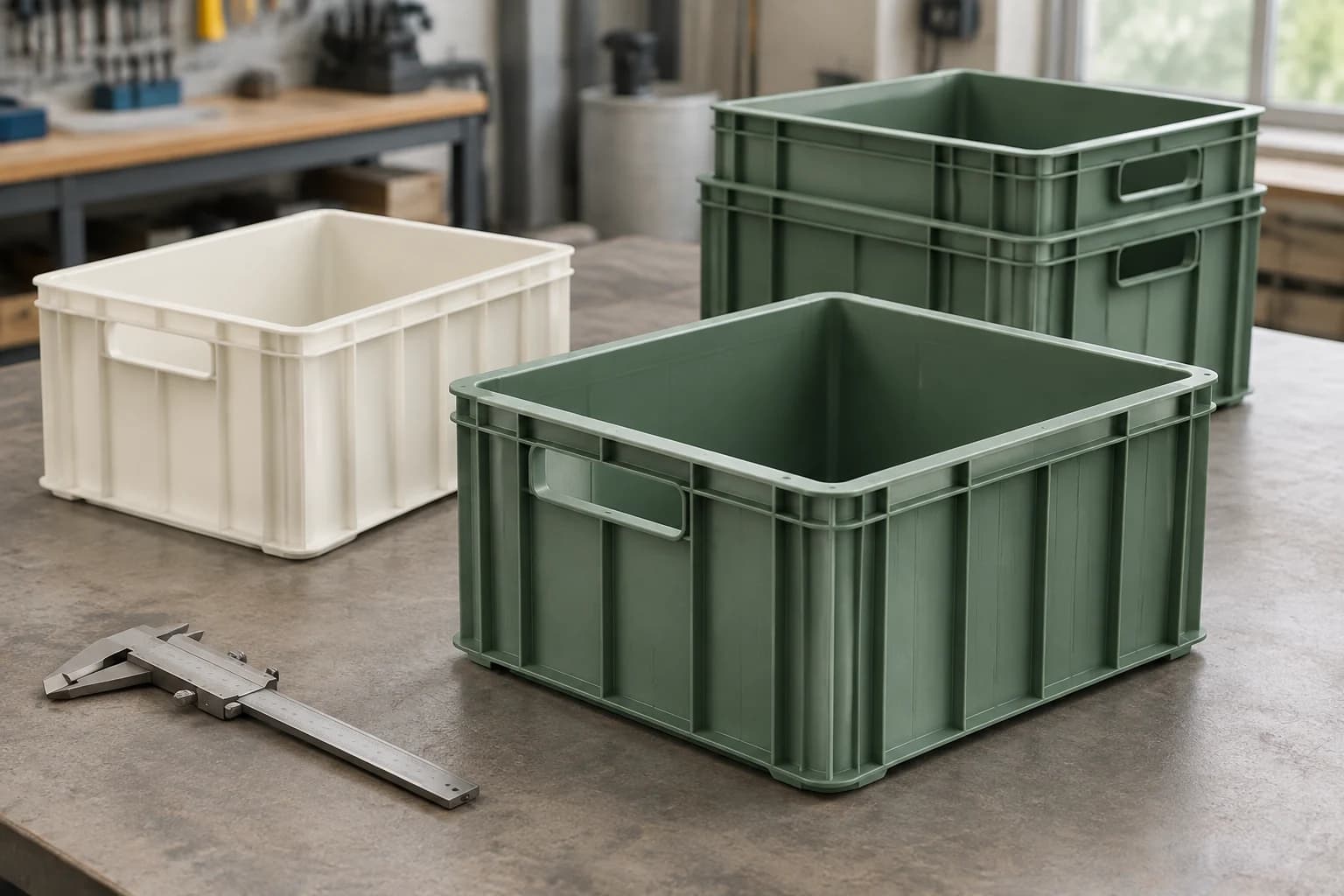
Resolve stacking fit and wall-thickness risks before handing tooling, color samples and inspection requirements to production.
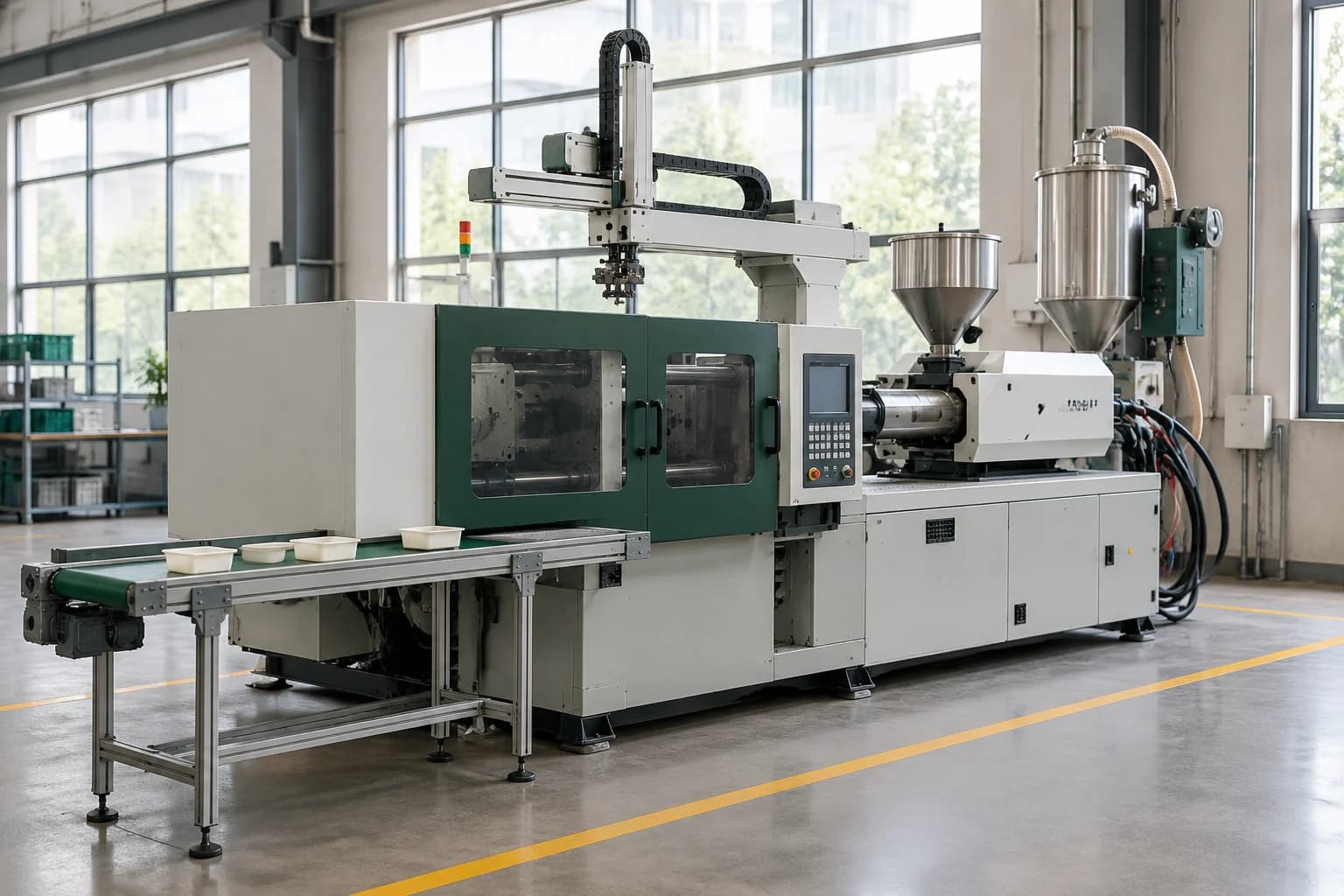
Check that the tool, take-out robot, conveyor and site interfaces work together, rather than comparing machine quotations in isolation.
Explore the case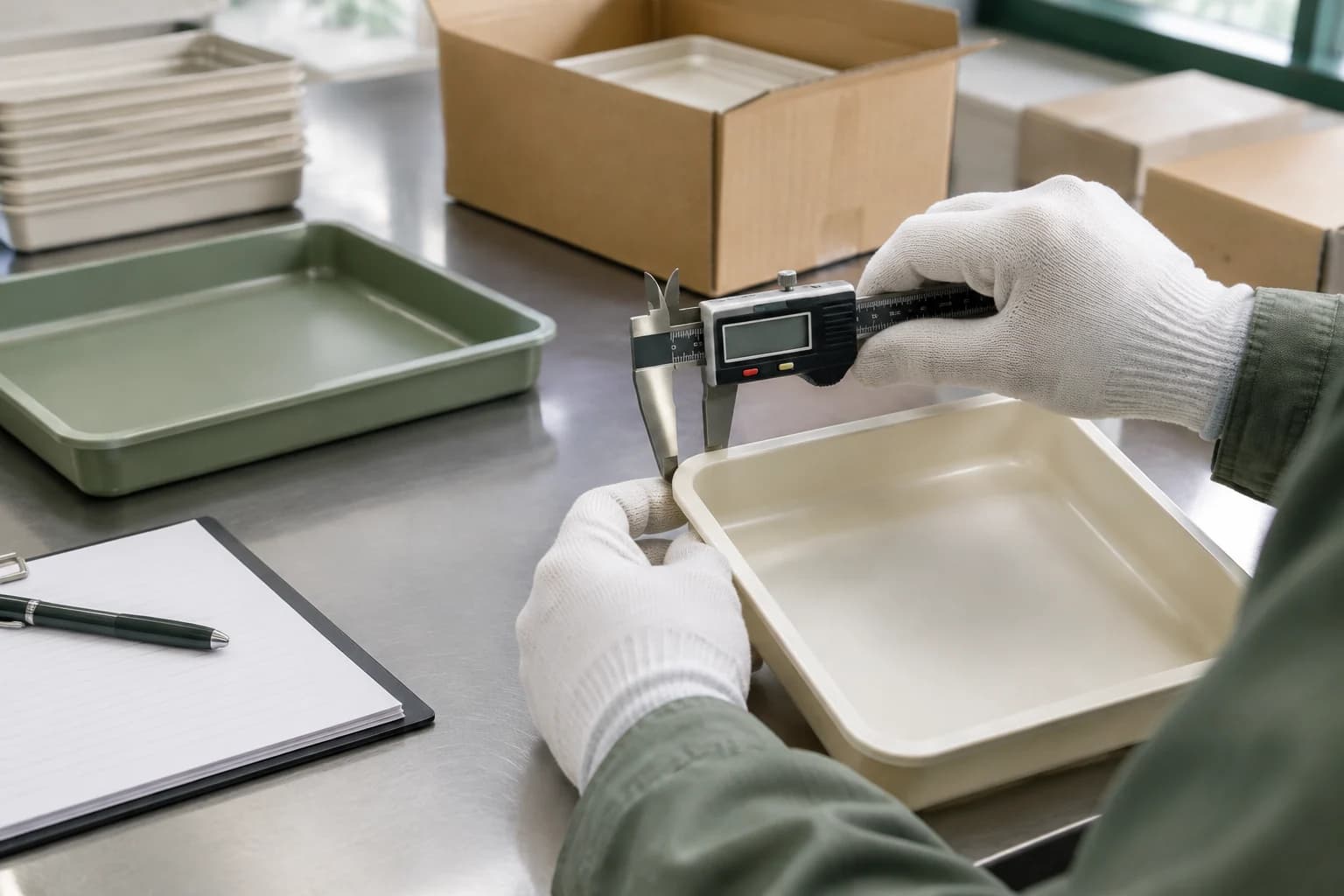
Align revisions, color samples and packaging before following samples, corrective actions and shipping records.
Explore the caseOne point of contact does not mean every task happens in one factory. See how the internal team, partners and customer divide the work.
The table above shows a typical split. Each project proposal defines the actual responsibilities.
Before the next stepCustomer confirms the scope before proposal work.
Before the next stepApprove technical scope, cost and milestones before starting.
Before the next stepCustomer approves samples or acceptance results before production.
Before the next stepConfirm shipping release, handoff and the next responsible person.
Start with photos, a reference sample and the intended use. First identify missing information, then agree whether design or measurement work is required. Do not share drawings you are not authorized to disclose.
We run our own tooling and engineering team and work with a vetted molding network and equipment suppliers. Each proposal names the manufacturer, the 3MPLAS scope and the customer approval gates.
There is no universal figure. Material, tooling, color, batch size, sampling rounds and packaging affect both. The proposal should state the assumptions and schedule after the brief is reviewed.
Yes, single-stage engagements are welcome. Existing tools, machines or suppliers can be the starting point; interfaces and responsibilities are confirmed first.
Agree permitted use, access, confidentiality and tool / drawing ownership before a live project. Materials are used only for evaluation and quotation, an NDA can be signed on request, and tool / drawing ownership is confirmed in writing before the project.
Not by default. The proposal must specify location, remote versus on-site support, cost, training, spare-parts source and response ownership. These are explicit confirmation items in the proposal.
The process starts with missing-information questions and an initial fit assessment, then agrees the engineering review and quotation scope; fees and response times are stated at first contact.
A reference image, an output target or a problem that is still unresolved. Clarify the brief before deciding on the next step.